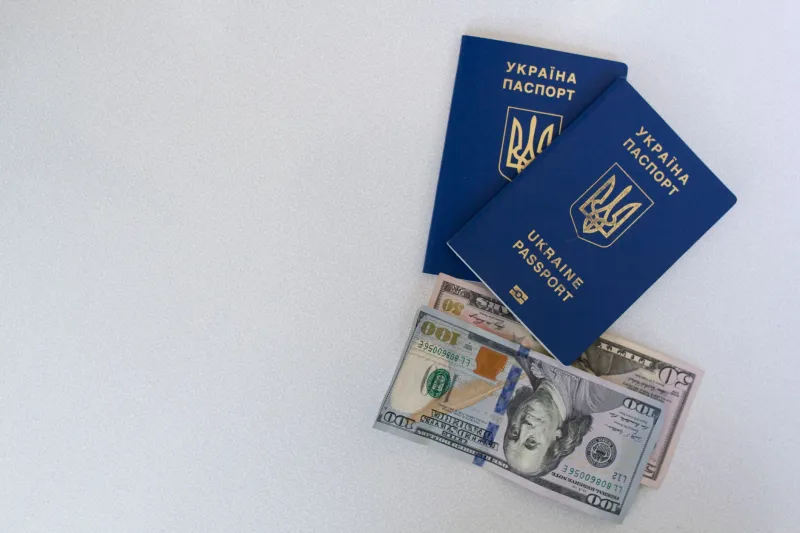
Beyond the Plane Ticket: The Full Financial Picture of Pursuing an International Relationship

The decision to pursue an international relationship is rarely made on financial grounds. Men who find themselves drawn to partners in Eastern Europe, Southeast Asia, Latin America, or elsewhere are typically motivated by connection, compatibility, and the genuine belief that the right person for them happens to live on a different continent. That is a perfectly reasonable position.
What is less reasonable — and unfortunately common — is approaching that pursuit without a realistic understanding of what it will actually cost. The plane ticket and the dating site subscription are just the beginning. Beneath those visible expenses lies a layered financial reality that, if left unexamined, has derailed more than a few otherwise promising international romances.
This guide is designed to give American men a complete and honest accounting of what international courtship and relationship development actually costs, from the first conversation to the day your partner arrives in the United States.
The Costs Most Men Actually Anticipate
Let us begin with the expenses people generally expect, because understanding the baseline helps contextualize everything that follows.
Dating platform subscriptions and credits on reputable international matchmaking services typically range from $30 to $150 per month, depending on the platform's pricing model and the level of communication access you purchase. Over the course of a year, this represents a meaningful but manageable investment.
International travel for a first in-person meeting varies considerably depending on destination. A round-trip flight from a major U.S. city to Eastern Europe or Southeast Asia generally runs between $700 and $1,500. Accommodation, meals, local transportation, and activities for a one-to-two-week visit might add another $1,000 to $3,000, depending on the country's cost of living and your personal spending habits. Multiple visits over the course of a relationship can push total travel expenditure well beyond $10,000.
Gifts and financial support exist on a spectrum, and men should be thoughtful about where they fall on it. Sending occasional gifts or contributing to shared experiences is a normal part of any courtship. Providing ongoing financial support to a partner or her family before a relationship is well-established is a different matter — one that warrants careful reflection.
The Costs That Tend to Surprise People
The following expenses are where financial planning in international relationships most frequently breaks down.
Legal Consultation Fees
Before you file any immigration petition, consulting with a qualified U.S. immigration attorney is strongly advisable. Initial consultations typically range from $150 to $350 per hour, and a comprehensive case review may require two to four hours of attorney time. If you retain an attorney for ongoing representation throughout the visa process, total legal fees can range from $1,500 to $5,000 or more, depending on the complexity of your situation.
This is not a cost to skip. Immigration law is nuanced, the consequences of errors are serious, and an experienced attorney can identify issues in your application that you would never recognize on your own.
Visa Filing Fees
The U.S. government charges filing fees at multiple stages of the immigration process. As of recent USCIS fee schedules:
- Form I-129F (Petition for Alien Fiancé): Approximately $535
- K-1 Visa Application (DS-160) at the U.S. Embassy: Approximately $265
- Form I-485 (Adjustment of Status, filed after arrival): Approximately $1,440, including biometrics
- Form I-751 (Removal of Conditions): Approximately $595
Total government filing fees across the full K-1 to Green Card pathway can exceed $2,800, and these figures are subject to change. Always verify current fee schedules directly with USCIS and the Department of State.
Translation and Document Authentication Services
Foreign-language documents — birth certificates, divorce decrees, financial records, criminal background checks — must be translated into English by a certified translator and, in many cases, authenticated through an apostille or consular legalization process. Certified translation services typically charge between $0.10 and $0.20 per word, or a flat fee of $50 to $150 per document. If your partner's country requires multiple documents to be authenticated, this line item can reach several hundred dollars.
Medical Examination Fees
Visa applicants are required to undergo a medical examination conducted by an approved physician in their home country. The cost varies by country but generally falls between $200 and $500. In some locations it is higher. This fee is paid directly to the examining physician and is not included in any government filing fee.
Communication and Technology Costs
International phone plans, video calling subscriptions, and the occasional international call can add $20 to $80 per month to your regular expenses. Over a two-year relationship development period, this amounts to $480 to $1,920 — modest individually, but worth accounting for in a comprehensive budget.
Emergency and Contingency Expenses
This is the category that truly catches people unprepared. International relationships generate unexpected costs with some regularity: a last-minute flight because a visa interview was rescheduled, a document that needs to be re-authenticated because of an administrative error, a medical situation in your partner's home country, or a return trip that needs to happen sooner than planned. Building a contingency fund of at least $2,000 to $3,000 into your overall budget is not pessimistic — it is prudent.
Building a Realistic Budget Framework
A conservative total cost estimate for an American man pursuing an international relationship through to his partner's arrival in the United States — inclusive of travel, legal fees, government filings, and ancillary costs — falls in the range of $15,000 to $30,000 over a two-to-three-year period. For some couples, particularly those in high-cost destinations or with complex legal situations, the figure is higher.
This is not a reason to abandon the pursuit. It is a reason to plan.
Consider establishing a dedicated savings account for international relationship expenses, separate from your regular emergency fund. Treat monthly contributions to this account as a fixed budget line. Review your spending at each major milestone — after each visit, after each filing — and adjust your projections based on actual experience.
Managing Financial Stress Without Letting It Undermine the Relationship
Money pressure is one of the most corrosive forces in any relationship, and international couples are particularly vulnerable to it because the financial stakes are higher and the stressors are less familiar. A few principles can help.
First, maintain transparency with your partner about your financial boundaries. A partner who genuinely cares about you will not expect you to overextend yourself. If financial requests feel disproportionate or escalating, that is worth examining carefully.
Second, pace your investment in the relationship to match your confidence in its authenticity. Significant financial commitments should follow, not precede, the development of genuine trust.
Third, remember that the costs are finite. The visa process has a beginning and an end. The expenses of courtship give way, eventually, to the ordinary economics of a shared life. Keeping that perspective intact — especially during the more expensive and bureaucratically frustrating phases — is its own form of financial management.
International love is worth pursuing. It is also worth funding intelligently.