The Virtual Dinner Table: How Sharing a Kitchen Across Continents Can Bring You Closer Than You Think
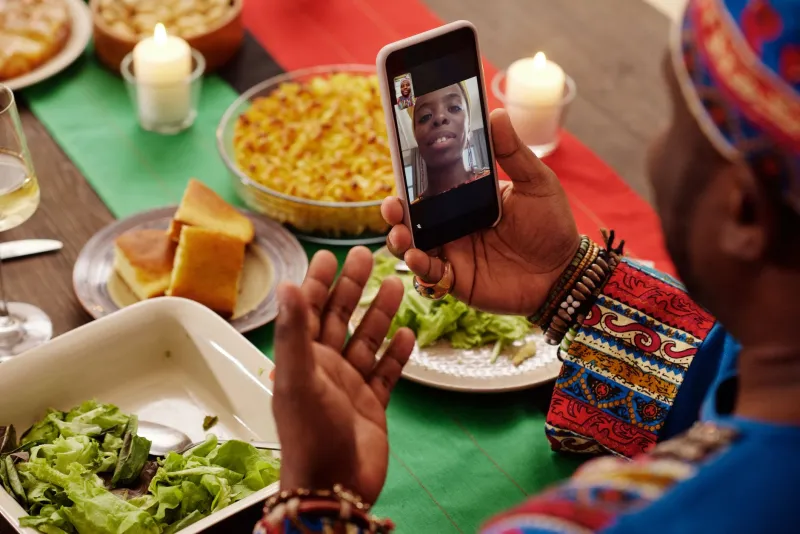
There is something quietly profound about watching someone you love move through a kitchen. The way they season without measuring. The dishes they reach for automatically. The family recipes they can recite from memory but have never written down. Food, more than perhaps any other element of daily life, reveals who a person truly is — their upbringing, their values, their relationship to comfort and celebration and care.
For American men in international relationships, this insight carries particular weight. When your partner is thousands of miles away in Ukraine, the Philippines, Colombia, or Thailand, the ordinary rituals of shared life — cooking dinner, sitting down to eat, passing dishes across a table — are not yet available to you. But they do not have to remain entirely out of reach.
Virtual cooking dates, when approached with intention, can become one of the most genuinely intimate experiences available to long-distance couples. Here is why they work, and how to make them work well.
Why Food Functions as an Emotional Bridge
Anthropologists have long recognized that food preparation and communal eating are among the most culturally loaded human activities. What a family eats, how they prepare it, who does the cooking, and what occasions call for which dishes — all of these details encode values, history, and identity in ways that are difficult to convey through conversation alone.
When your partner teaches you to make a dish from her home country, she is not simply sharing a recipe. She is offering you access to her grandmother's kitchen, her childhood celebrations, her culture's understanding of hospitality and nourishment. That kind of sharing creates a form of closeness that text messages and even heartfelt video calls rarely achieve on their own.
For the American partner, engaging genuinely with this exchange — asking questions, attempting the dish yourself, making mistakes and laughing about them — signals a depth of interest and respect that transcends the romantic. It says: I want to understand where you come from, not just who you are today.
Planning a Virtual Cooking Date That Actually Works
The logistics of cooking together across time zones require some advance planning, but the effort is well worth it. A few practical considerations will make the experience feel seamless rather than frustrating.
Choose a dish together in advance. Spend time beforehand discussing what you want to make. This conversation itself is valuable — it opens up discussions about favorite foods, family traditions, and the occasions certain dishes are associated with. Agree on something that is achievable for both of you given your respective kitchen setups and skill levels.
Source ingredients independently. Many international ingredients are more accessible in American cities than people assume. Specialty grocery stores, Asian markets, Latin food suppliers, and online retailers like Amazon or specialty importers can often provide what you need. Research together where each of you can find the necessary components, and share that process.
Align your schedules carefully. The time zone gap in many international relationships is significant. A woman in Southeast Asia and a man on the East Coast of the United States may be twelve or thirteen hours apart. Identify a window — often a weekend morning for one and an evening for the other — that allows both of you to cook without rushing.
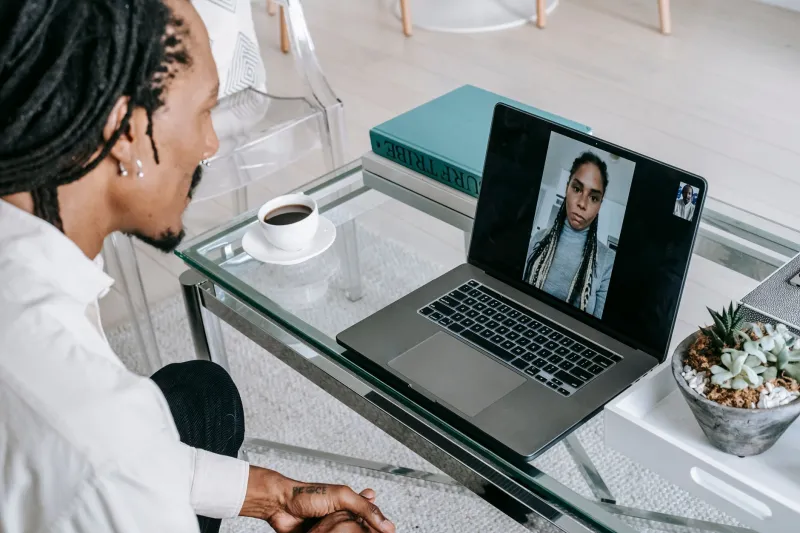
Set up your camera thoughtfully. Position your device so your partner can actually see what you are doing in the kitchen. A laptop propped on a cookbook stand or a phone mounted at counter level allows for genuine shared visibility. This is a date, not a phone call — treat the visual element as important.
What You Learn About Each Other at the Stove
Cooking together reveals dimensions of a person that polished conversation often conceals. You see how someone handles frustration when a dish does not come together as expected. You observe whether they are precise and methodical or intuitive and improvisational. You notice what they consider important enough to explain carefully versus what they assume everyone simply knows.
These observations matter in the context of international dating because they provide a more textured, realistic picture of a person than any profile or curated social media presence can offer. The woman who laughs freely when her sauce breaks, or who insists on explaining why the spice ratio matters even though it will not affect the final dish much, is showing you who she is in a way that is difficult to fabricate.
For couples navigating the early stages of an international connection, these unguarded moments are precisely what build the kind of trust that sustains a relationship through the long and often difficult process of closing the distance.
Cooking as Cultural Education
One of the consistent challenges in international relationships is developing genuine cultural literacy about your partner's background — not just surface-level awareness, but a real understanding of how her world operates. Cooking offers a remarkably efficient path toward that understanding.
Consider what you might learn from preparing a traditional Filipino adobo together, or a Georgian khinkali, or a Brazilian moqueca. Each dish carries embedded lessons about the climate, the agricultural history, the religious practices, and the social customs of the place it comes from. A good cooking date will naturally generate conversation about all of these things, not as a cultural lecture but as organic context.
You might also consider reciprocating by sharing an American dish that means something to you personally — a Thanksgiving recipe from your family, a regional specialty from where you grew up, or simply something you have cooked for years and find comfort in. This exchange of culinary heritage is, at its core, an exchange of personal history.
Beyond the Date: Building a Shared Food Language
Over time, couples who make cooking a regular part of their long-distance relationship begin to develop what might be called a shared food language — a collection of dishes, ingredients, and kitchen memories that belong specifically to the two of them. This shared vocabulary becomes part of the relationship's identity.
When you finally meet in person, or when your partner arrives in the United States, the kitchen becomes a space already charged with meaning. Cooking together in the same physical space for the first time will feel like a reunion with something familiar, not an introduction to something new.
That continuity — the sense that you have been building something real across the distance — is one of the most valuable things a long-distance couple can cultivate. And it turns out that sometimes, the most direct path to that feeling runs straight through a shared recipe and a laptop propped up on a kitchen counter.
The distance is real. But so is the dinner.