The International Romance Roadmap: How to Go from That First 'Hello' to 'I Do'—Without Losing Your Head

Before We Start: Set Your Mindset Right
Let's be real for a second. International romance gets a bad rap sometimes—scammers, catfishes, the whole "mail-order bride" stereotype that has nothing to do with what modern cross-cultural dating actually looks like. But it also gets over-romanticized, which is just as dangerous.
The truth sits in the middle. Building a genuine relationship with someone from another country is absolutely possible—thousands of American men do it every year through platforms like Mail Bride—but it takes patience, self-awareness, and a willingness to move at the right pace. Rush it and you'll make costly mistakes. Drag your feet and you'll miss real opportunities.
This guide is your roadmap. Bookmark it. Come back to it at each stage.
Stage 1: First Contact (Week 1–2)
What to do: Keep early messages genuine and low-pressure. Ask open-ended questions about her daily life, her interests, her family. Avoid immediately talking about marriage, money, or visiting.
What's realistic: She's probably talking to more than one person. So are you. That's fine. This stage is about establishing whether there's a real spark—not locking anything down.
Red flags to watch for:
- She asks for money or gifts within the first few messages
- Her profile photos look like stock images (do a reverse image search—seriously)
- She's evasive about basic personal details
- She pushes to move off the platform to WhatsApp or Telegram immediately
Checkpoint question: Am I interested in her as a person, or just in the idea of an international girlfriend? Be honest with yourself here. It matters.
Stage 2: Building Rapport (Weeks 2–8)
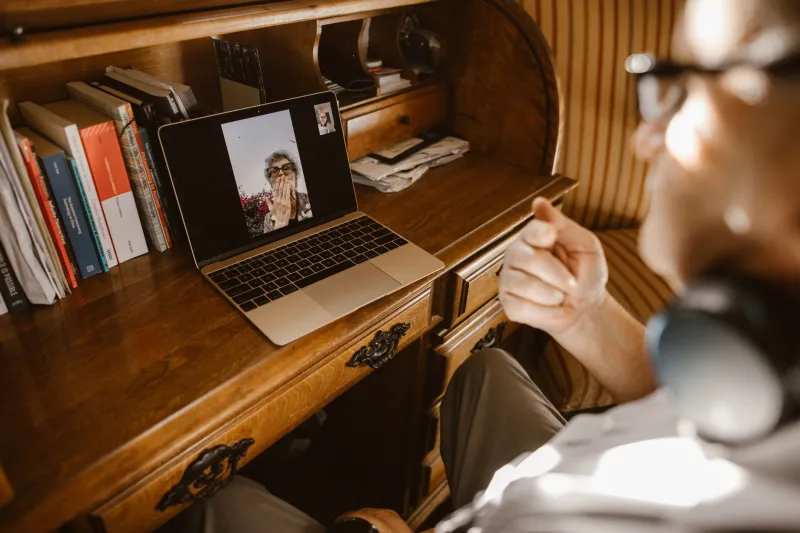
What to do: Move from text-based messaging to video calls as soon as it feels natural—ideally within the first two to three weeks. Seeing someone's face, hearing their voice, watching how they laugh tells you things that words never can.
This is also the stage where you start sharing more of your real life. Photos of your home, your city, your dog. Stories about your family. What you actually do on a Saturday morning.
What's realistic: Time zone math is going to become your new hobby. If she's in Eastern Europe, you're looking at a 7–9 hour difference. Southeast Asia? Try 11–13 hours. Find a window that works for both of you and protect it.
Communication strategies that actually work:
- Send voice messages when typing feels impersonal
- Share small, everyday moments—not just big, impressive ones
- Ask about her culture genuinely. What are her holidays like? What does her family eat on Sundays?
Red flags to watch for:
- She's only available at odd hours with no clear explanation
- She consistently avoids video calls with excuses
- Emotional escalation feels too fast—declarations of love after two weeks of chatting
Checkpoint question: Do I know what she actually wants out of life—not just what she wants from me?
Stage 3: Getting Serious (Months 2–4)
What to do: If consistent communication has gone well, this is when deeper conversations become appropriate. Talk about values, not just preferences. Religion. Kids. Money management. How she handles conflict. How you handle conflict.
This is also a good time to do some research. Understand the country she's from—its culture, its economy, its family dynamics. Not to judge, but to be genuinely informed.
What's realistic: You're going to hit some friction here. Cultural differences will surface. Maybe she has a very different relationship with family than you do. Maybe her expectations around gender roles differ from yours. These aren't dealbreakers by default—but they need honest conversation, not avoidance.
Red flags to watch for:
- She gets defensive or evasive when you ask about her family situation
- There are inconsistencies in her story over time
- She pressures you to commit (financially or emotionally) before you've met in person
Checkpoint question: Am I being honest with her—and with myself—about what I'm actually ready for?
Stage 4: Planning the First Visit (Months 4–6)
What to do: If you've reached this point and things feel solid, it's time to plan a trip. Visit her country first if you can. It's a sign of respect, and it gives you invaluable context for who she is in her real environment.
Plan for at least 10–14 days. A long weekend isn't enough to cut through the excitement and see what everyday life together actually feels like.
Practical tips:
- Book your own accommodation—don't stay with her family right away
- Have a clear plan but stay flexible
- Meet her friends and family if possible. How she introduces you says a lot.
Red flags to watch for:
- She discourages you from meeting her family or social circle
- The in-person dynamic feels completely different from your online connection
- She seems more interested in where you're taking her than in spending time with you
Checkpoint question: After spending real time together, do I still want to build a life with this person?
Stage 5: The Visa Conversation and Long-Term Planning (Months 6–12+)
What to do: If the visit went well and you're both serious, now is the time to talk logistics. The K-1 fiancée visa process in the U.S. takes time—often 6–12 months from application to approval—so understanding the timeline early matters.
Consult an immigration attorney. Seriously. The paperwork is manageable but the details matter, and professional guidance is worth every dollar.
What's realistic: This stage tests your patience and your commitment. There will be bureaucratic frustration. There will be more time apart. Stay in regular contact, keep making plans together, and remember why you started.
Red flags to watch for:
- She's not willing to be part of the visa process or provide required documentation
- Sudden urgency around money or timelines
- Family pressure that feels coercive rather than loving
Checkpoint question: Are we making this decision together, or am I carrying it alone?
The Finish Line Isn't the Wedding—It's the Life After
Here's the thing nobody tells you: the wedding is actually the easy part. What comes after—building a shared life, navigating immigration paperwork, helping her settle into American culture, blending families—that's where the real relationship lives.
The couples who make it are the ones who treated every stage of this journey seriously. They didn't rush. They didn't ignore red flags. They asked the hard questions early and kept asking them.
If you're starting this journey through Mail Bride, you're already in a community that takes cross-cultural connection seriously. Use the tools. Take your time. And when it's right, you'll know.